How Many Cocktail Garnishes Does a Bar Need?
Use your actual drink volume, garnish-per-drink standard and operating weeks to estimate a monthly garnish par instead of relying on a one-size-fits-all bar benchmark.
A bar can estimate garnish needs with a simple formula: expected drinks × garnishes per drink × operating period, then split that total by the drinks that use orange, lemon, lime or other garnishes. The useful number comes from your own menu and volume, not a universal bar benchmark.
Start with drinks, not cases
Begin with the number of garnished drinks you expect to serve in a week. If not every drink receives a fruit garnish, count only the menu items or order mix that actually use one. Then define the standard: one wheel, one half-wheel or another approved presentation. Consistency matters because an undefined garnish standard makes inventory planning unreliable.
The basic monthly formula
Estimated monthly garnish uses = garnished drinks per week × garnishes per drink × operating weeks per month.
For example, if your own forecast says 500 garnished drinks per week, your standard is one garnish per drink and you plan with four operating weeks, the planning volume is 2,000 garnish uses for that month. That is an example of the formula, not a recommended industry volume.
Split the total by garnish type
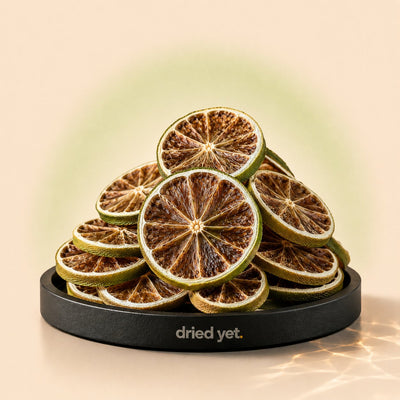
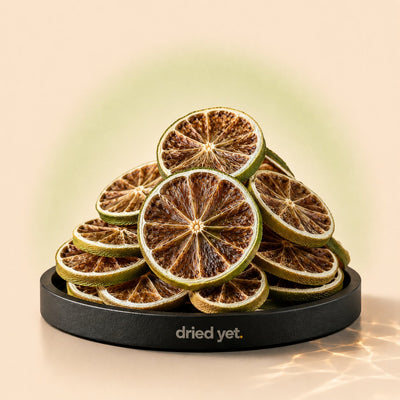
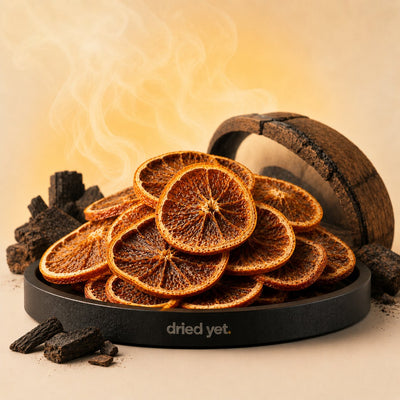
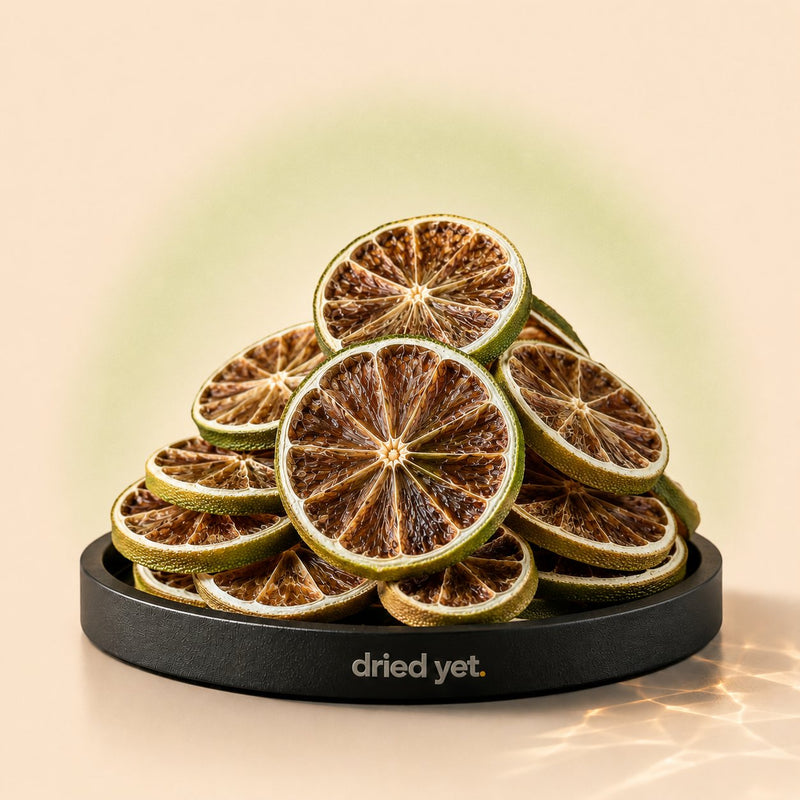
A single total is not enough if your menu uses several fruits. Count which drinks use each garnish. A whiskey-forward menu may allocate more uses to Orange Slices, while a tequila-heavy menu may allocate more to Lime Slices. Gin, sparkling and sour drinks may increase the share going to Lemon Slices.
Account for real operating variation
Events, weekends, seasonality, menu launches and private parties can all change volume. Instead of adding an arbitrary “industry buffer,” use what your operation knows: reservations, historical covers, beverage mix and upcoming events. Revisit the par after the first ordering cycle and compare planned uses with actual consumption.
Separate usage planning from cost planning
Quantity answers “how many garnish uses do we expect?” Cost is a second question. To compare fresh fruit purchasing, prep labor and waste against a dried-garnish scenario, use your own spend and labor inputs. The Dried Yet. Garnish Cost & Waste Calculator is designed for that job without silently inserting a universal waste rate or labor assumption.
Turn the par into a reorder rhythm
Once you know estimated monthly uses by garnish type, compare that requirement with the units you actually order and how quickly the bar consumes them. The right reorder point is the one that fits your lead time, storage and service schedule. If volume changes, change the par instead of continuing to order from habit.
Need help mapping the program?
Bars, restaurants and hospitality teams can use the Dried Yet. Bar Program to discuss a repeatable garnish mix and replenishment approach. For product-level browsing, see all Cocktail Garnishes.